Natural Antihistamines That Actually Help: Evidence-Backed Options, Smart Dosages, and Daily Habits for Easier Breathing
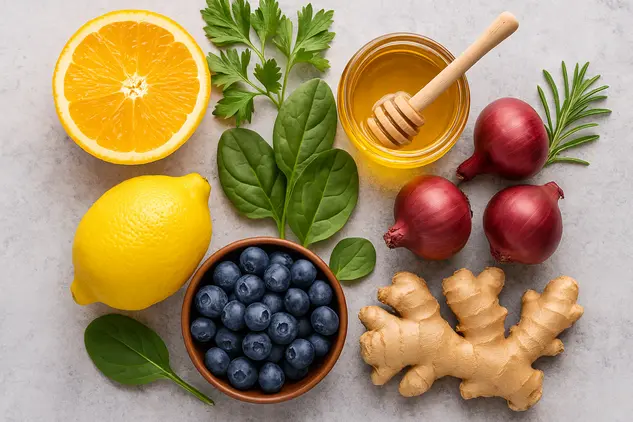
Seasonal sniffles, itchy eyes, and that constant tickle in your throat can make even the best days miserable. While over-the-counter antihistamines work for many, they can bring side effects like drowsiness and brain fog. That’s why more people are exploring natural antihistamine options and lifestyle fixes that can help ease symptoms without slowing you down. Below, you’ll find science-informed choices, practical dosages, and everyday strategies to help you breathe easier—plus a step-by-step plan to put it all into action.
Important note: The following is general information and not medical advice. Always talk with your healthcare provider, especially if you’re pregnant, nursing, have chronic conditions, or take prescription medications.
What Is Histamine—and Why Do You Feel So Miserable?
Histamine is a chemical messenger your immune system releases in response to allergens like pollen, dust mites, mold, and pet dander. When histamine binds to receptors in your nose, eyes, skin, and lungs, you feel classic allergy symptoms: sneezing, runny or stuffy nose, watery eyes, itching, hives, and sometimes wheezing.
Antihistamines work by blocking histamine’s effects or by stabilizing mast cells (the cells that release histamine in the first place). Several nutrients, herbs, and foods can support these pathways naturally. The key is choosing safe, well-studied options and pairing them with smart daily habits.
Top Natural Antihistamine Options (and How to Use Them)
1) Quercetin
– What it is: A bioflavonoid found in onions, apples, capers, berries, and leafy greens.
– Why it helps: Quercetin helps stabilize mast cells and may reduce the release of histamine.
– Typical dose: 250–500 mg, 1–2 times daily. Many people pair quercetin with vitamin C and bromelain for better absorption.
– Food-first tip: Add red onions, apples with skin, and capers to salads and grain bowls.
– Safety notes: May interact with certain antibiotics and blood thinners; consult your clinician.
2) Vitamin C
– Why it helps: Supports immune balance and may help degrade histamine.
– Typical dose: 500–1,000 mg once or twice daily. Consider buffered or liposomal forms if you have a sensitive stomach.
– Food-first tip: Citrus, kiwi, strawberries, bell peppers, and broccoli pack a punch.
– Safety notes: High doses can cause digestive upset; spread your intake through the day.
3) Stinging Nettle (Urtica dioica)
– Why it helps: Traditionally used for allergy relief; modern research suggests it may help reduce inflammatory mediators.
– Typical dose: 300 mg freeze-dried leaf daily, or as directed on standardized products. Tea is gentler but usually less concentrated.
– Safety notes: Can interact with blood pressure or diabetes medications; avoid in pregnancy unless advised by a clinician.
4) Butterbur (Petasites hybridus)—PA-Free Only
– Why it helps: Standardized butterbur extracts may help with seasonal allergy symptoms.
– Typical dose: 50–75 mg standardized extract (PA-free), twice daily.
– Critical safety note: Only use products labeled PA-free (free of pyrrolizidine alkaloids), as raw or non-PA-free butterbur can harm the liver. Discuss with your doctor before starting.
5) Bromelain
– What it is: An enzyme from pineapple stems that may support nasal comfort and reduce swelling.
– Typical dose: 200–400 mg, 1–2 times daily, ideally on an empty stomach.
– Synergy: Often combined with quercetin and vitamin C in allergy formulas.
– Safety notes: May interact with blood thinners and certain antibiotics; discontinue before surgery unless cleared by a clinician.
6) Spirulina
– Why it helps: May support healthy immune responses to environmental triggers.
– Typical dose: 1–2 grams daily (tablets or powder in smoothies).
– Safety notes: Choose reputable brands tested for contaminants. Not advised for some autoimmune conditions—ask your clinician.
7) Green Tea (EGCG)
– Why it helps: Compounds in green tea may support balanced histamine signaling.
– Typical dose: 2–3 cups daily or a standardized extract as directed.
– Safety notes: Watch caffeine if you’re sensitive; choose decaf if needed.
8) Curcumin (Turmeric Extract)
– Why it helps: Curcumin supports normal inflammatory pathways, which may ease nasal and sinus discomfort.
– Typical dose: 500–1,000 mg standardized extract daily, often with piperine (black pepper) or a bioavailable formulation.
– Safety notes: May not be appropriate with gallbladder issues or certain medications; verify with your clinician.
9) Omega-3s (EPA/DHA)
– Why they help: Omega-3 fatty acids support a healthy inflammatory response.
– Typical dose: 1–2 grams of combined EPA+DHA daily from fish oil or algae oil; include fatty fish (salmon, sardines, mackerel) 2–3 times per week.
– Safety notes: Fish oil can interact with blood thinners. Buy third-party tested products.
10) N-Acetylcysteine (NAC)
– Why it helps: NAC supports thinning of mucus and healthy antioxidant status—useful when congestion lingers.
– Typical dose: 600 mg, 1–2 times daily.
– Safety notes: Can cause mild GI upset in some; not advised for everyone during pregnancy—ask a clinician.
11) Probiotics and Gut Health
– Why they help: Your gut and immune system are tightly linked. Certain strains may support a balanced response to allergens.
– Typical dose: 5–20 billion CFU daily from a multi-strain formula or targeted strains (for example, Lactobacillus rhamnosus GG or Bifidobacterium lactis). Pair with prebiotic fiber (oats, beans, green bananas, cooked-and-cooled potatoes) to feed good bacteria.
– Food-first tip: Include yogurt or kefir if dairy-tolerated, or fermented alternatives like sauerkraut—though if histamine-sensitive, trial carefully as fermented foods can be high in histamine.
12) Local Honey: Myth or Must?
– The idea: Eating local honey is thought to expose you to tiny amounts of local pollen and “train” your immune system.
– The reality: Evidence is mixed, and honey often contains different pollens than those that trigger seasonal allergies (like wind-borne tree/grass pollens). Still, some people report mild benefits and honey can soothe a scratchy throat.
– Tip: If you like it and tolerate it, 1–2 teaspoons daily is reasonable. Never give honey to children under age 1.
13) DAO Enzyme and Low-Histamine Diet (When Symptoms Don’t Add Up)
– Why it helps: Some people experience histamine intolerance—symptoms like flushing, headaches, hives, or congestion triggered by high-histamine foods (aged cheeses, cured meats, wine, fermented foods, leftovers).
– What to try: A 2–4 week low-histamine diet trial plus diligent food-symptom tracking. Consider DAO enzyme supplements before high-histamine meals if your clinician approves.
– Safety notes: Work with a dietitian or clinician to keep your diet balanced and to reintroduce foods methodically.
Lifestyle Tactics That Work Quickly
– Rinse your nose: A daily saline rinse (neti pot or squeeze bottle) helps wash out pollen and soothe tissues. Always use sterile or distilled water and clean devices thoroughly.
– Shower smart: Rinse off and shampoo before bed to remove pollen from skin and hair so it doesn’t transfer to your pillow.
– Wash and encase bedding: Launder sheets weekly in hot water. Use dust-mite-proof covers on pillows and mattresses.
– Seal the indoors: Keep windows closed during high pollen days. Run a HEPA air purifier in your bedroom. If replacing HVAC filters, choose MERV-13 or higher that’s compatible with your system.
– Time your outings: Pollen peaks in early morning and on warm, windy days. Wear wraparound sunglasses and consider a high-filtration mask for yard work.
– Tame humidity: Keep indoor humidity between 40–50%. Use a dehumidifier in damp areas and clean bathrooms to reduce mold.
– Pet protocol: Wipe down pet coats with a damp cloth after outdoor time, keep pets off the bed, and brush them outside.
– Car tips: Use the recirculate setting and ensure your cabin air filter is up to date.
Smart Food Strategies for Allergy Season
– Emphasize anti-inflammatory meals: Think colorful veggies, leafy greens, berries, citrus, olive oil, nuts, seeds, and omega-3-rich fish.
– Be mindful of high-histamine foods: If you suspect sensitivity, go easy on aged cheeses, processed meats, fermented foods, alcohol (especially red wine), and long-stored leftovers.
– Quick grocery list: Onions, apples, citrus, bell peppers, broccoli, leafy greens, oats, brown rice, wild salmon, sardines, plain yogurt or dairy-free alternatives, green tea, turmeric, local honey, capers, olive oil.
– Hydration matters: Adequate water thins mucus. Herbal teas like nettle, ginger, or peppermint can be soothing.
A 2-Week Self-Test Plan
– Day 1: Pick two supplements from this list that fit your health profile—common starter stack: quercetin (250–500 mg twice daily) + vitamin C (500 mg twice daily). Add a daily saline rinse.
– Days 2–7: Layer in one lifestyle change every day (HEPA filter in bedroom, shower before bed, windows closed, laundry routine, sunglasses/mask outdoors, dehumidifier if needed). Keep a simple symptom score (0–10) morning and night.
– Days 8–14: If needed, add one more option such as stinging nettle or bromelain. Keep diet anti-inflammatory; if suspected, trial a low-histamine pattern and track changes.
– Reassess: Compare symptom scores from week 1 to week 2. If there’s little improvement or symptoms are severe, talk to your clinician about prescription options or allergy testing.
Practical, Everyday Tips You Can Use Now
– 10-minute morning routine: Saline rinse, green tea, quick floor vacuum with HEPA, sunglasses for the commute, and take your quercetin + vitamin C with breakfast.
– Allergy go-bag: Saline spray, soft tissues, wraparound sunglasses, a spare mask, and a small bottle of eye drops (as your doctor recommends).
– Pollen-proof your porch: Use a doormat you can hose off weekly and keep a small lint roller by the door for clothes and bags.
– Leftovers strategy: Freeze extra portions the same day you cook to limit histamine buildup.
– Track triggers: Use your phone notes to log high-symptom days alongside pollen counts and foods.
Safety First: When to Call Your Doctor
– You have wheezing, chest tightness, or shortness of breath.
– You develop widespread hives, facial swelling, or difficulty swallowing.
– Over-the-counter meds or natural options aren’t helping after two weeks, or symptoms are disrupting sleep/work.
– You’re pregnant, nursing, managing chronic illness, or giving supplements to children.
– You take prescription medications that can interact with supplements (blood thinners, blood pressure meds, diabetes meds, and others).
FAQs
Q: Are natural antihistamines as strong as OTC meds?
A: Some people get comparable relief, especially when combining two or three options with solid lifestyle tactics. Others still need OTC or prescription treatment. It’s fine to blend approaches with your clinician’s guidance.
Q: How long do natural options take to work?
A: Some people notice benefits within a few days, while others need 2–4 weeks of consistent use, especially with nutrients like quercetin or probiotics.
Q: Can I combine natural options with my allergy medications?
A: Often yes, but check with your clinician to avoid interactions and tailor dosing. For example, butterbur and bromelain can interact with certain medications.
Q: What about kids?
A: Always ask a pediatrician before giving supplements. Simple tactics like saline rinses, HEPA filters, and evening showers are generally kid-friendly.
Q: Is local honey a cure?
A: It’s not a cure, and evidence is mixed. It can soothe a scratchy throat and may help some people—but don’t rely on it alone.
The Bottom Line
Natural antihistamine strategies can meaningfully reduce allergy misery—especially when you stack the right supplements with proven daily habits. Start small: pick two evidence-supported options like quercetin and vitamin C, add a nasal rinse, and tighten up your indoor air routine. Track your symptoms for two weeks, then refine your plan. If relief is still out of reach, partner with a healthcare professional about prescription choices or allergy testing.
Allergies are personal, but your plan can be too. With a few targeted nutrients, smart food swaps, and a handful of time-tested habits, you can spend more days breathing easy—and fewer searching for the tissue box.