Unveiling the Enigma of Congenital Myopathy in Children
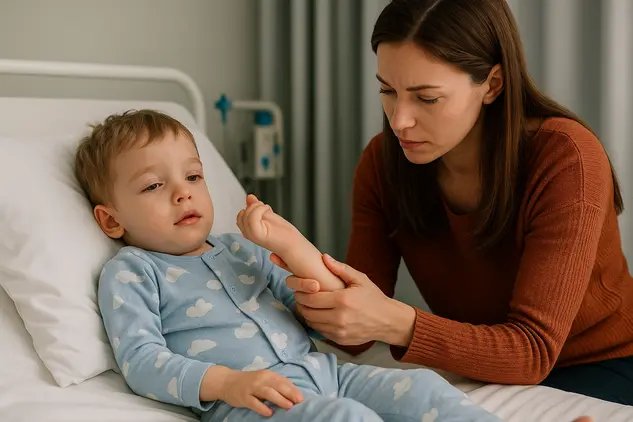
Our primary focus today falls on an unfortunately common ailment surprisingly shrouded in obscurity – congenital myopathy. The term ‘myopathy’ refers to muscle diseases, with ‘congenital myopathy’ being those muscle disorders that children are born with. This article delves into an exhaustive exploration of congenital myopathy, shedding light on its causes, symptoms, diagnosis, treatment, and management.
Understanding Congenital Myopathy
Definition of Congenital Myopathy
Congenital Myopathy, at its core, is a cluster of disorders that cause muscle weakness from birth. Both severe and non-severe forms exist, spanning across a wide range of types such as central core disease, nemaline rod myopathy, among others.
Causes and Risk Factors
Primarily, these disorders are inherited and occur due to mutations in genes responsible for the development and functioning of muscles. Understanding the genetic basis of these disorders is instrumental in unravelling their causes.
Recognizing the Symptoms of Congenital Myopathy
One of the most significant challenges in diagnosing and managing congenital myopathy is the diversity and varying severity of symptoms. Different forms of the disease display different symptoms, with some general indicators like muscle weakness, frequent falls, and difficulty in movement.
Diagnosing Congenital Myopathy
Accurate diagnosis is essential for effective management of congenital myopathy. Alongside a detailed medical history and physical examination, diagnostic approaches include genetic testing, muscle biopsy, and electromyography.
Treatment and Management Strategies for Congenital Myopathy
Physiotherapy
Customized physiotherapy programs can help preserve muscle function, improve strength, and delay disease progression.
Occupational Therapy
Occupational therapy aids in enhancing a child’s ability to perform activities of daily living, thereby promoting self-sufficiency.
Speech and Language Therapy
For children with difficulties in swallowing or speech, speech and language therapy proves highly beneficial.
Medication and Surgical Interventions
Certain medications and surgical interventions are recommended based on the specific type of congenital myopathy and the severity of symptoms.
Conclusion and FAQs
Congenital myopathy is indeed a challenging affliction, demanding intensive and long-term care. Large strides have been made, and thanks to widespread research, the outlook for affected children is brighter with each passing day.
FAQs
Q1: Can children with congenital myopathy lead a normal life?
A1: While children with CM face certain challenges, they can lead fulfilling lives with appropriate treatment and support.
Q2: Is congenital myopathy curable?
A2: Though there is no known cure, effective treatments are available to manage and mitigate its symptoms.
Q3: Is congenital myopathy genetic?
A3: Yes, congenital myopathy is a genetic disorder that affects the muscles, predominantly resulting from mutations in specific genes.
Q4: Can congenital myopathy be prevented?
A4: As a genetic disorder, congenital myopathy cannot be prevented; however, genetic counseling can provide essential information and support to parents who have a history of the disease.
This in-depth exploratory article enables better comprehension of congenital myopathy, striving to support parents, caregivers, and patients in their journey of understanding and managing this genetic muscle disorder.