Clean and Confident: A Safe, Science‑Based Guide to Anal Douching (Types, Risks, and Best Practices)
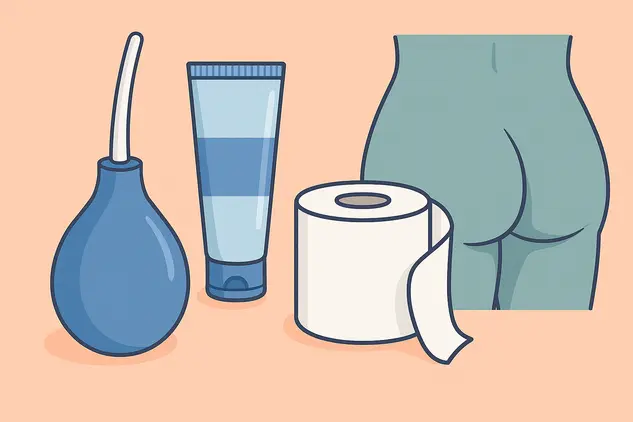
Note: This article is for informational purposes only and is not a substitute for professional medical advice. If you have ongoing pain, bleeding, fever, inflammatory bowel disease, recent colorectal surgery, or heart/kidney conditions, speak with a healthcare professional before attempting any rectal cleansing.
Overview
Anal douching (also called rectal douching or an enema, depending on volume and device) is a personal hygiene practice some people use to feel cleaner before anal play or receptive anal sex. While common, it’s not medically required for everyone, and doing it incorrectly can irritate tissue or increase health risks. This guide explains the types of douches, what solutions are safest, step‑by‑step technique, and best practices so you can make an informed, body‑safe choice.
Key takeaways
– Douching is optional. The rectum is self‑cleaning and naturally contains bacteria that help maintain balance.
– Gentle, small‑volume warm water or isotonic saline is safer than harsh additives or high‑pressure devices.
– Over‑douching can cause irritation, disrupt the natural microbiome, and may raise the risk of infections.
– If anything hurts, burns, or causes ongoing bleeding, stop and seek medical advice.
What is anal douching—and when is it useful?
– Definition: Flushing the rectum with a liquid to remove residual stool from the lower bowel.
– When it may help: If you want a greater sense of cleanliness before anal activity, or if you anticipate anxiety about potential mess. Some people also use a medical enema for constipation under clinician guidance.
– When to skip or get clearance: After recent colorectal surgery, radiation therapy, during inflammatory bowel disease flares (Crohn’s/ulcerative colitis), with active fissures or severe hemorrhoids, rectal prolapse, unexplained rectal bleeding, or significant heart/kidney disease (especially if considering sodium‑phosphate enemas). If you’re pregnant, speak with a clinician first.
Common types of anal douching devices
1) Bulb syringes (most popular for sexual hygiene)
– What it is: A squeezable silicone or rubber bulb with a detachable nozzle.
– Pros: Inexpensive, portable, low pressure, easy to control volume.
– Cons: Small capacity means multiple rinses; cleaning the bulb thoroughly is essential.
– Best for: Beginners and those wanting light, targeted rinsing of the rectum.
2) Gravity enema bag or bottle
– What it is: A bag or bottle connected to tubing and a nozzle; solution flows by gravity.
– Pros: Adjustable flow, larger volume, hands‑free control.
– Cons: Easier to overdo volume, which can stimulate higher sections of the colon and increase cramping or urgency.
– Best for: Experienced users who understand volume control and anatomy.
3) Shower‑attached nozzles
– What it is: A nozzle connected to a shower hose.
– Pros: Convenient for some bathrooms, continuous water source.
– Cons: High pressure risk; temperature swings can burn; may push water too far, increasing injury risk. Not recommended for beginners.
– Best for: Advanced users who can precisely control temperature and flow using a pressure‑limiting adapter.
4) Pre‑packaged enemas (e.g., sodium phosphate “Fleet” types)
– What it is: Single‑use bottles with hypertonic solutions that draw water into the bowel.
– Pros: Predictable effect for constipation under medical guidance.
– Cons: Can be irritating; carry electrolyte and dehydration risks, particularly for older adults or those with kidney/heart disease. Not ideal for routine sexual hygiene.
– Best for: Specific medical constipation use only, as directed by a clinician—not routine pre‑sex cleaning.
Safer solutions: What to put in the device
– Warm water (body temperature, roughly 98–100°F / 37–38°C): Gentle and widely tolerated. Test on the inside of your wrist—should feel neutral, never hot.
– Isotonic saline (0.9%): Body‑matched salt solution that can reduce cramping versus plain water for some people. You can buy sterile saline or make it at home using clean water and non‑iodized salt (1/2 level teaspoon per 1 cup/240 ml of boiled‑then‑cooled water). Use same‑day.
– Avoid: Soaps, essential oils, hydrogen peroxide, alcohol, vinegar, chlorhexidine, povidone‑iodine, or flavored/colored liquids. These can burn or strip the mucosal lining and disrupt natural bacteria.
How much is too much? Understanding volume and anatomy
– Goal: Clean only the rectum (the last 12–15 cm) rather than the entire colon.
– Typical volumes: 100–300 ml (about 3–10 oz) per rinse is enough for most. Start low and only repeat if water isn’t running mostly clear.
– Going higher: Large volumes (>500 ml) can push water beyond the rectum, causing cramps, urgency, and lingering leakage. Bigger isn’t better.
Step‑by‑step: A gentle douching routine
Preparation
1) Time it right: Start 60–90 minutes before you need to be done. This gives time for a rinse or two and any residual water to pass.
2) Eat light: A low‑residue meal a few hours earlier (e.g., toast, rice, bananas, eggs) may reduce stool in the rectum. Avoid heavy, high‑fiber, or very fatty meals right before.
3) Assemble supplies: Bulb or bag, lubricant (water‑based or silicone), clean towel, toilet access, and your chosen solution at body temperature.
4) Wash hands and device: Use mild soap and hot water. Rinse thoroughly. If your nozzle is detachable, confirm it’s locked in tightly.
Technique
1) Lube generously: Apply lubricant to the nozzle and your anal opening to reduce friction and microtears.
2) Comfortable position: Many prefer standing with one foot on the tub edge, squatting, or lying on the left side with knees bent.
3) Insert gently: Guide the nozzle at a slight angle toward the navel, no more than 1–2 inches (2.5–5 cm) for a bulb. If you feel pain, stop.
4) Slow flow: Squeeze the bulb or start a low gravity flow. Aim for 100–200 ml initially. Avoid force. You should not feel sharp pain or severe cramping.
5) Hold briefly: Remove the nozzle. Hold for 15–30 seconds if comfortable—don’t strain.
6) Release: Sit on the toilet and pass the water. Gently breathe; never force.
7) Repeat only if needed: If output remains cloudy or contains stool and you want to continue, do one more small rinse. Most people are done within 1–3 cycles.
Aftercare
– Wait 10–20 minutes for residual water to drain. A pantyliner or tissue in underwear can help catch minor leakage.
– Hydrate with water or an oral rehydration drink if you did multiple rinses.
– Avoid harsh wipes; pat dry or rinse with water and a soft towel.
Practical tips for better comfort and safety
– Start small: New to this? Use a 150–200 ml bulb, warm water only, and limit to 1–2 rinses.
– Mind the temperature: Too hot can burn; too cold can trigger cramps.
– Lube is your friend: Reapply before each insertion to minimize microtears.
– Don’t share nozzles: Prevents transmission of infections. If reusable, sanitize between uses.
– Clean gear thoroughly: Wash with hot soapy water, rinse, air‑dry fully. Periodically sanitize silicone bulbs in boiling water if manufacturer allows.
– Replace worn parts: Cracked silicone, cloudy plastic, or sticky valves can harbor bacteria—replace the device.
– Avoid daily douching: Frequent rinsing can disrupt natural bacteria and irritate mucosa. Save for when you truly need it.
– Choose body‑safe materials: Medical‑grade silicone or BPA‑free plastic; avoid sharp, metal, or rigid tips that can injure tissue.
– Pressure control: If using a shower adapter, install a flow restrictor and test on your forearm first. A gentle trickle is enough.
– Listen to symptoms: Stop if you experience sharp pain, bright red bleeding, dizziness, fever, or persistent cramps.
Hygiene and infection considerations
– Microtears and irritation make tissue more vulnerable to infections. Gentle technique, adequate lubrication, and low pressure reduce risk.
– Douching does not prevent STIs. Barrier methods (condoms) and regular testing are still important if you’re sexually active with partners.
– Consider timing: Douching too close to activity can leave residual moisture. Allow at least 20–30 minutes for drainage.
Troubleshooting common issues
– Cramping during rinse: Temperature may be off, the flow is too fast, or volume is too high. Stop, rest, and try a smaller warm‑water volume later.
– Persistent leakage afterward: You may have used too much water or reached higher into the colon. Next time, reduce volume and avoid high pressure.
– Burning sensation: Possible chemical irritant or water too hot. Rinse with lukewarm water only and stop if symptoms persist.
– A little blood on tissue: Small hemorrhoids or microtears can cause streaking. If bleeding continues, is heavy, or you see clots, contact a clinician.
Beginner quick‑start plan (10 minutes)
– Fill a 200 ml silicone bulb with warm water.
– Lubricate nozzle and anus generously.
– Insert 1 inch; release half the bulb slowly. Remove nozzle.
– Hold 20 seconds; release on the toilet.
– Repeat once more if water isn’t mostly clear.
– Wait 15 minutes for residual drainage.
Choosing the right device: What to look for
– Capacity: 150–300 ml bulbs suit most hygiene needs.
– Nozzle design: Rounded tip, multiple side holes for gentler flow, and a flanged base to prevent over‑insertion.
– Backflow prevention: Some bulbs offer one‑way valves to keep tank water clean.
– Easy cleaning: Wide openings and detachable nozzles simplify washing and drying.
– Travel‑friendly: Collapsible or compact bulbs; carry in a discreet, ventilated pouch with a small bottle of lubricant.
Environmental and budget considerations
– Reusable bulbs and gravity bags reduce waste compared with disposable enemas.
– Clean and air‑dry thoroughly to extend product life; replace if material degrades.
– If you prefer disposables for travel, dispose of bottles responsibly and avoid flushing anything non‑toilet‑safe.
Mistakes to avoid
– Using soap, alcohol, or peroxide inside the rectum.
– Cranking up shower pressure or using very hot water.
– Large‑volume flushes that reach the colon when a simple rectal rinse would do.
– Douching daily or multiple times a day.
– Skipping lubrication or rushing insertion.
– Sharing nozzles or reusing devices that can’t be properly cleaned.
FAQs
– Do I have to douche? No. Many people feel comfortable without any douching. External washing with warm water in the shower often suffices for everyday hygiene.
– How long before activity should I start? Begin 60–90 minutes before to allow for rinsing and full drainage.
– Can I just use a bidet? A gentle external rinse can improve comfort and cleanliness, but it won’t clear the rectum. If you prefer not to douche, plan timing around bowel habits and consider a light, low‑residue meal.
– Is saline better than water? Some people find isotonic saline reduces cramping; warm water is fine for most. Avoid hypertonic/sodium‑phosphate solutions for routine use.
– What about probiotics? A balanced diet and time are usually enough for the rectal microbiome. If you experience frequent irritation, discuss with a clinician.
When to contact a clinician
– Severe or worsening abdominal pain or cramps
– Continuous bright red bleeding, black or tarry stools
– Fever, dizziness, or signs of dehydration
– Rectal prolapse or inability to pass water
– New or worsening anal fissures or severe hemorrhoids
A stronger bottom line
Anal douching is a choice, not a requirement. If you decide to do it, think “gentle, small, and slow”: small volumes, body‑temperature water or isotonic saline, and low pressure with plenty of lubrication. Keep the focus on the rectum—not the whole colon—and give yourself enough time for complete drainage. Save douching for when you truly need it, and prioritize overall gut health with regular bowel habits, hydration, and a balanced diet. Above all, listen to your body; if something hurts or doesn’t feel right, stop and seek medical advice. With the right approach, you can feel clean and confident while protecting your health.
Practical checklist (print or save)
– Device: 150–300 ml silicone bulb with rounded nozzle
– Solution: Warm water or 0.9% saline
– Timing: Start 60–90 minutes before you’re done
– Volume: 100–300 ml per rinse; maximum 1–3 cycles
– Technique: Lubricate well, insert 1–2 inches, slow flow, do not force
– Aftercare: Wait 10–20 minutes for drainage, hydrate, avoid harsh wipes
– Red flags: Pain, persistent bleeding, fever—stop and seek care
If you’re new to this, begin with the beginner quick‑start plan above for a calm, predictable experience. Over time, you’ll learn the smallest amount of rinsing that gives you confidence—often less than you think.