Braces Cost in the U.S.: Real Prices, Smart Savings, and Insurance Tips (2026 Guide)
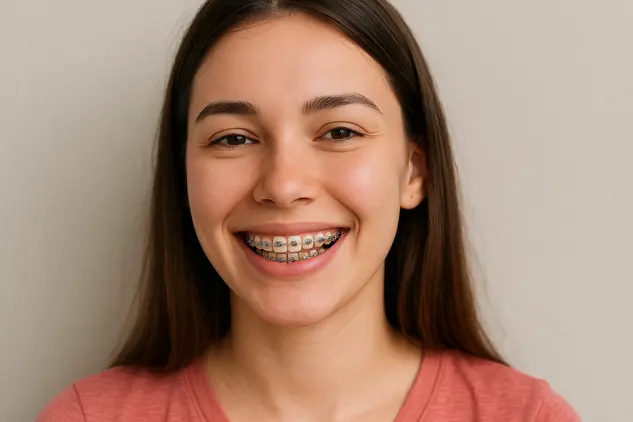
Thinking about getting braces? Here’s what they really cost in the United States—plus how to use insurance, payment plans, and tax-advantaged accounts to lower your out-of-pocket bill. This guide draws on common orthodontic pricing across the U.S. and is designed to be Google Discover–friendly: clear, useful, and packed with practical steps you can act on today.
Key Takeaway
• Typical total treatment cost ranges from about $3,000 to $9,500 for most patients, depending on the type of braces, case complexity, and location. Some options, like lingual braces, can exceed $10,000.
Average Cost by Type of Treatment
While every orthodontist sets fees differently, these are common national ranges for full treatment (including routine visits):
• Traditional metal braces: $3,000–$7,500
• Ceramic (tooth-colored) braces: $4,000–$8,500
• Self-ligating braces (metal or ceramic): $3,500–$8,000
• Lingual (behind-the-teeth) braces: $8,000–$13,000+
• Invisalign and other doctor-directed clear aligners: $2,000–$9,500 (mild cases at the lower end; complex cases at the higher end)
Why Prices Vary
Several factors drive what you’ll pay:
• Case complexity: Crowding, bite issues (overbite, underbite, crossbite), jaw discrepancies, and the need for extractions or elastics can add months to treatment and cost.
• Treatment length: Most braces plans last 12–24 months. More time = more visits and higher fees.
• Appliance type and brand: Ceramic, lingual, and some aligner brands add lab and customization costs. Metal braces are usually the most budget-friendly.
• Provider expertise and practice model: Specialists (orthodontists) generally cost more than general dentists doing limited orthodontics, but they manage complex cases more efficiently. Urban, high-cost-of-living markets also run higher.
• What’s included: Some offices bundle X-rays, imaging, retainers, emergency visits, and whitening. Others price a la carte. Clarify before you sign.
What’s Typically Included in the Fee
Many orthodontic quotes include these items:
• Initial exam and treatment plan discussion
• Diagnostic records (X-rays, scans, photos, impressions)
• Brackets/aligners and routine adjustments or aligner check-ins
• Basic emergency visits (poking wire, broken bracket)
• Debonding (removal of braces) and polishing
• One set of retainers after treatment (not always; confirm in writing)
Extra Costs to Watch For
These add-ons can sneak up on your budget if they’re not part of a bundled price:
• Replacement retainers: $150–$600 per retainer (a set can be $300–$1,200). Premium multi-pack clear retainers can be $400–$1,200.
• Broken bracket repairs: Often $50–$150 per incident if due to avoidable damage (chewy candy, hard foods).
• Replacement aligners: $75–$300 per tray if lost or damaged.
• Additional imaging: $50–$250 for mid-treatment X-rays or scans.
• Missed appointment fees: $25–$75 at some practices.
• Transfer fees: Moving to a new city mid-treatment can add a few hundred dollars to re-establish care.
Adults vs. Teens: Who Pays More?
• Base fees are often similar. However, teens may have better insurance coverage via family dental plans, while adult plans sometimes exclude or limit orthodontics.
• Adults occasionally need periodontal care or restorations before moving teeth, which can add cost and time.
Insurance 101 for Braces
Dental insurance can significantly reduce costs, but fine print matters.
• Typical orthodontic benefit: Often 50% coverage up to a lifetime maximum of $1,000–$3,000 per member. The benefit usually pays out over time as treatment progresses.
• Age limits: Some plans only cover dependents under 19. Adult orthodontic coverage is less common but does exist. Check the policy’s age criteria.
• Waiting periods and pre-authorization: Many plans require 6–12 months of coverage before benefits kick in and may request a pre-treatment estimate.
• In-network savings: Using an in-network orthodontist can lower your fee through negotiated rates and ensure smoother claims.
• Medically necessary orthodontics: Some plans or state programs differentiate between cosmetic and medically necessary care. Documentation of functional issues may be required for coverage.
Medicaid/CHIP
• Children: In many states, Medicaid/CHIP may cover braces if they’re deemed medically necessary (for example, severe bite problems). Coverage and criteria vary widely by state.
• Adults: Adult orthodontic benefits under Medicaid are limited or unavailable in many states. Contact your state program for specifics.
HSAs, FSAs, and HRAs
• Eligible expense: Orthodontic treatment is generally an eligible medical expense for Health Savings Accounts (HSAs), Flexible Spending Accounts (FSAs), and many Health Reimbursement Arrangements (HRAs). Keep itemized receipts.
• Timing strategy: If you know braces are coming, align your start date with open enrollment so you can maximize FSA contributions or HSA deposits. FSAs are “use-it-or-lose-it,” while HSAs roll over.
• Auto-pay and documentation: Ask the office to set up monthly auto-pay from your FSA/HSA and provide detailed statements should your benefits administrator request proof.
Clear Aligners vs. Braces: Cost and Value
• When aligners may be cheaper: Mild crowding or spacing, fewer office visits (with remote monitoring), and shorter timelines can lower the total fee.
• When braces make more sense: Complex bite corrections, rotations, and compliance challenges (aligners require 20–22 hours/day wear) often favor brackets and wires.
• Mail-order aligners caution: Direct-to-consumer aligners can look cheaper upfront, but they typically skip in-person X-rays and exams. The American Association of Orthodontists and ADA recommend supervision by a licensed dentist/orthodontist to protect your bite, gums, and jaw health. Fixing complications can erase any savings.
Real-World Examples (Hypothetical)
• Mild crowding with Invisalign: $2,800–$4,500 over 6–12 months; includes scans, trays, and one set of retainers.
• Moderate case with metal braces: $4,500–$6,500 over 18–24 months; includes routine visits and debonding. Retainers may be extra.
• Cosmetic-focused ceramic braces: $5,500–$7,500; slightly higher due to materials and lab costs.
• Lingual braces for aesthetics-first adults: $9,000–$12,000; premium due to customization and technique.
How to Pay Less Without Cutting Corners
Practical, proven strategies you can use before you sign a contract:
1) Get two or three consultations
• Many orthodontists offer free or low-cost initial exams. Ask for written, itemized quotes so you can compare apples to apples.
2) Ask for bundled pricing
• Request that records, emergency visits, and at least one set of retainers be included. Some offices also bundle whitening after braces.
3) Choose the right appliance for your goals and budget
• If aesthetics aren’t critical, metal braces typically cost less than ceramic or lingual options.
4) Verify insurance the right way
• Call your insurer and the orthodontist. Confirm in-network status, lifetime orthodontic maximum, age limits, waiting period, and how payments are disbursed (lump sum vs. monthly).
5) Time treatment around benefits
• Begin after your dental plan’s waiting period ends, and fund your FSA/HSA during open enrollment to cover predictable monthly payments.
6) Negotiate payment terms
• Many offices offer 0% in-house financing if you put a portion down. Ask about pay-in-full discounts (often 3–8%), autopay discounts, or family/military/teacher/student pricing.
7) Consider a dental school clinic
• University dental or orthodontic residency programs can cost 20–50% less. Appointments may be longer, but care is supervised by faculty.
8) Maintain your appliances
• Avoid sticky/hard foods with braces and store aligners in their case. Preventing breakage saves on per-incident repair fees.
9) Use a dental discount plan (not insurance)
• If your insurance excludes orthodontics, a dental savings plan can provide 10–25% discounts at participating offices for an annual membership fee.
10) Track taxes and receipts
• If your unreimbursed medical and dental expenses exceed IRS thresholds for the year, part of the cost may be tax-deductible. Ask a tax professional about your situation.
Budgeting Checklist Before You Start
• Diagnosis: Confirm you need braces vs. limited aligner correction. Ask if extractions, elastics, or jaw treatments are anticipated.
• Written quote: Request line items—records, appliances, routine visits, emergencies, retainers, whitening—and what counts as an “extra.”
• Insurance pre-check: Verify plan year dates, orthodontic maximum, age limits, waiting period, and network status.
• Net out-of-pocket estimate: Office staff can provide a payment calendar that shows insurance payments and your monthly share.
• Funding plan: Decide on down payment, monthly auto-pay, and whether to use FSA/HSA/credit. Compare any third‑party financing APRs and fees.
• Retainer plan: Confirm type (fixed vs. removable), cost for replacements, and how long you’re expected to wear them.
Common Questions
• Are retainers included? Sometimes. Many offices include one set; replacements cost extra. Get it in writing.
• How long will treatment take? Most cases: 12–24 months. Mild aligner cases can finish in 6–12 months; complex bites may need 24+ months.
• Can I switch providers mid-treatment? Yes, but expect a transfer fee and a new evaluation. If possible, complete treatment before moving.
• What about whitening? Most orthodontists recommend waiting until after braces/aligners to avoid uneven results. It’s often a separate fee unless bundled.
• Is adult orthodontics worth it? Straighter teeth can improve bite function, make hygiene easier, reduce uneven wear, and support long-term oral health. The cosmetic boost is a bonus.
Practical Tips You’ll Actually Use
• Bring recent X-rays from your dentist to your ortho consult to avoid duplicate imaging fees if they’re current and acceptable.
• Ask if remote monitoring is available. Fewer in-person visits can lower time and travel costs without sacrificing oversight.
• Request a trial aligner or bracket comfort check before committing, especially if you have sensitivity or speech demands at work.
• If you grind your teeth, discuss protective strategies early (e.g., bonded retainers plus nighttime clear retainers) to protect your results.
• Keep a “do not eat” list on your phone for the first month. Most breakages happen while you’re still learning food do’s and don’ts.
Stronger Bottom Line
Braces aren’t a one-size-fits-all purchase. Your total cost depends on the complexity of your bite, the appliance you choose, and how your benefits are structured. For most patients, the real out-of-pocket number becomes manageable when you:
• Compare two or three written quotes
• Confirm insurance specifics and use in-network providers
• Stack FSA/HSA dollars with 0% office financing or a pay-in-full discount
• Choose a cost-effective appliance and avoid breakage fees
With a little planning, you can cut hundreds—sometimes thousands—off the sticker price while still getting expert, in-person care. Book a consultation, ask for an itemized estimate that includes retainers, and map out a payment plan that fits your budget. Your future smile—and your wallet—will thank you.
Editor’s note: Prices and coverage examples are general U.S. estimates. Always consult a licensed orthodontist and your insurance provider for specifics in your area.