Traction Alopecia: Causes, Early Warning Signs, and Practical Ways to Protect Your Hairline
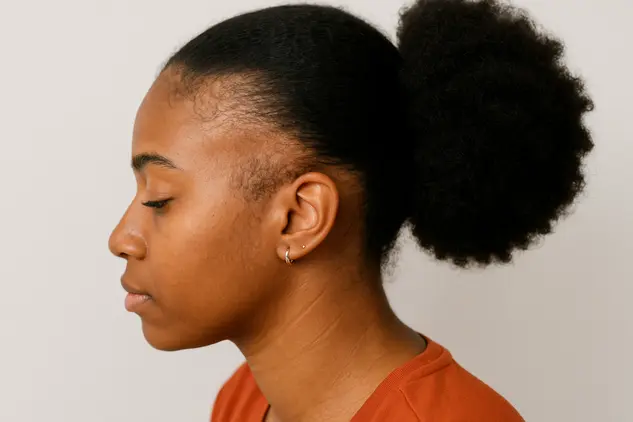
If your ponytail feels tight, your scalp is sore after taking out braids, or your edges look thinner than they used to, you may be seeing the first signs of traction alopecia. The good news: this common form of hair loss is usually preventable—and often reversible—when you act early. Here’s a clear guide to what traction alopecia is, how to spot it, and the simple, real-world steps you can take to stop damage and support regrowth.
What is traction alopecia?
Traction alopecia is hair loss caused by repeated tension on the hair follicles. Unlike other forms of alopecia, this one is mechanical: tight hairstyles, heavy extensions, snug headwear, or repetitive pulling gradually stress follicles until they weaken, inflame, and, over time, may scar. It can affect anyone, but it’s especially common along the hairline, temples, nape of the neck, and behind the ears—areas where hair is often pulled tight or rubbed by accessories.
Early signs and symptoms to watch for
Catching traction alopecia early is key. Look for:
– Tenderness, redness, or bumps around the hairline after styling
– Itching or a tight, burning feeling where hair is pulled
– Headaches that improve when you loosen your style
– Small, broken hairs or “fuzz” where longer hair used to be
– Gradual thinning at the temples or along your part
– The “fringe sign”: short wisps at the hairline with thinning just behind
– Scaly patches or pimples (folliculitis) around pulled areas
If you see shiny, smooth skin without visible follicles, that can indicate scarring—get professional help promptly, as scarring hair loss can be permanent.
Common causes and high-risk habits
Any style can become risky if it’s too tight, too frequent, or too heavy. These raise the risk most:
– Tight ponytails, buns, slick-backs, or puffs (especially daily wear)
– Braids or cornrows installed with high tension or very small parts
– Weaves and sew-ins that use tight base braids or heavy tracks
– Glue-on extensions, tight clip-ins, or micro-links that stress the root
– Locs or twists that are retwisted too tightly or loaded with heavy hair
– Strong elastic bands, rubber bands, and thin metal clips at the hairline
– Constant helmet, headband, durag, or scarf pressure in the same spot
– Chemical relaxers, bleach, or heat paired with tight styling (double stress)
Who is most at risk?
– People who regularly wear tight or long-lasting protective styles
– Those with damaged, chemically treated, or fine hair more prone to breakage
– Athletes, dancers, healthcare workers, military personnel, and anyone who keeps hair tightly secured for long shifts
– Children whose hair is styled with tension or heavy accessories
– Individuals with scalp conditions like dermatitis or psoriasis that can worsen inflammation under tension
Prevention you can put into practice today
– Use the two-finger test: If you can’t comfortably slide two fingers under your ponytail or braid base, it’s too tight.
– Rotate styles: Alternate between up, down, and loose protective styles to vary pressure points. Aim for at least 2–3 “low-tension days” per week.
– Keep parts generous: Tiny, tight parts concentrate force. Opt for larger, evenly spaced parts to spread tension.
– Go lighter on extensions: Choose lighter hair, reduce length/volume, or skip added hair at the hairline entirely. Knotless techniques can reduce root stress.
– Protect the perimeter: Give the first half-inch of your edges a break—no extensions or tight twists on the front row for a cycle or two.
– Mind your install schedule: Leave 6–8 weeks between heavy installs when possible, and rest the scalp for at least 1–2 weeks between styles.
– Skip glue at the hairline: Use glueless wigs, elastic bands, or low-tack adhesives placed away from baby hairs.
– Choose edge-friendly accessories: Use silk or satin scrunchies, wide headbands, and seamless clips. Avoid rubber bands.
– Sleep smart: Wrap with a silk/satin scarf or bonnet and use a silk pillowcase to reduce friction.
– Be gentle on wash day: Detangle with slip (conditioner or detangling spray), work from ends to roots, and avoid ripping through tangles.
– Limit double tension: Avoid pairing tight styles with fresh relaxers, bleach, or strenuous heat treatments.
– Moisturize and soothe: Keep the scalp clean and moisturized. If inflamed, a short course of dermatologist-recommended anti-inflammatory care may help.
Practical tips you can start this week
– Create a style calendar: Plan a 4-week rotation (e.g., Week 1 loose wash-and-go, Week 2 low bun with scrunchie, Week 3 knotless braids with larger parts, Week 4 down styles or scarf days).
– Do the 60-second release: If you feel pressure or headache, pause and gently massage the perimeter to boost blood flow and relieve tension.
– Set a max wear rule: Don’t keep tight styles in beyond the stylist’s guidance; as a general rule, remove braids by 6–8 weeks and wigs/frontals nightly if glued.
– Lighten your load: If your style swings like a pendulum or pulls when you shake your head, it’s probably too heavy.
– Photograph your edges monthly: Compare the hairline, temples, and part width to catch subtle changes early.
– Keep a “rescue kit”: Silk scrunchie, detangling spray, lightweight oil/serum, and a soft brush so you can restyle on the go if tension builds.
Treatment and regrowth: what to expect
– First step—remove the cause: Loosen or take down tight styles and stop using adhesives or accessories that rub or pull.
– Calm inflammation: Redness or bumps often improve with reduced tension, gentle cleansing, and soothing, fragrance-free scalp products. Dermatologists may prescribe topical steroids or, in certain cases, anti-inflammatory injections if follicles are inflamed.
– Support regrowth: Over-the-counter minoxidil (2–5%) can help trigger follicles into a growth phase for some people. Apply only to clean, intact skin as directed.
– Address infections: Folliculitis or pustules may require medicated shampoos or prescription antibiotics. Don’t ignore pain, pus, or spreading redness.
– Consider adjuncts: Some people explore low-level laser devices or platelet-rich plasma (PRP) with a hair specialist; evidence varies, and these are best discussed with a clinician.
– Nourish from within: Ensure adequate protein and iron, plus vitamins like D and B12 if you’re deficient. Supplements won’t fix traction, but deficiencies can slow recovery.
– Timelines: With early changes, many notice baby hairs and new growth within 8–12 weeks after removing tension. Thicker regrowth can take 6–12 months. If follicles have scarred, regrowth may be limited, and a specialist can discuss options.
When to see a professional
– Persistent pain, burning, or tenderness—even after loosening styles
– Pustules, scabs, or foul odor (possible infection)
– Smooth, shiny bald patches or clear loss of follicle openings
– Rapid thinning or widening part
– Children with hair loss of any kind
– If you’re unsure whether it’s traction alopecia or another condition (like androgenetic alopecia or central centrifugal cicatricial alopecia)
Edge-saving styling ideas
– Low-tension updos: Loose claw clips, low ponytails secured with a silk scrunchie, or French pins
– Gentler braids: Knotless box braids with larger parts; avoid adding weight at the hairline
– Protective but light: Twists or braids using your own hair; if adding hair, keep it light and skip front-row extensions
– Wigs the right way: Glueless units with adjustable bands; rotate placement and avoid daily adhesive at the hairline
– Clip-ins and toppers: Use sparingly, rotate clips, and avoid thin or fragile areas
– Sport and work gear: Use a thin silk or satin liner under helmets or hard hats, adjust fit to avoid constant rubbing at the temples, and take brief “off-head” breaks during long shifts when safe
Special notes for kids, athletes, and men
– Kids: Avoid heavy beads, rubber bands, and tight parts. Favor loose puffs, bigger braids, and soft accessories. Teach them to speak up if a style hurts.
– Athletes: Swap tight headbands for wider, softer bands. After practice, release tension, cleanse sweat promptly, and moisturize the scalp.
– Men: Traction can affect beards and hairlines. Avoid tight durags or wave caps that dig into the edges. Keep beard rollers or tight masks from pulling on facial hair.
Myths vs. facts
– “Tight means neat.” Neatness doesn’t require pain. Skilled styling uses clean parts and secure technique without excessive pull.
– “If it hurts, I’ll get used to it.” Pain is a red flag, not a phase-in period.
– “Castor oil will fix it.” Oils can reduce friction and improve manageability, but they don’t reverse follicle damage on their own.
– “Edges can’t grow back.” Many do—if caught early and tension stops. Long-standing scarring is harder to treat, so timing matters.
Frequently asked questions
Q: Is traction alopecia reversible?
A: Often, yes—especially if you act before scarring. Remove tension, soothe inflammation, and consider evidence-based topical treatments. If hair hasn’t returned after several months, see a dermatologist.
Q: How long until I see results?
A: Expect subtle changes within 2–3 months, with fuller improvement over 6–12 months. Consistency is crucial.
Q: Are relaxers or bleach off-limits?
A: Not always, but combining chemical services with tight styling raises risk. If you color or relax, give the scalp recovery time, use bond-building treatments, and avoid high-tension styles for at least 1–2 weeks afterward.
Q: Does shaving help hair grow back thicker?
A: Shaving doesn’t change follicle size or density. It may reduce manipulation while hair recovers, but it won’t reverse follicle scarring.
Q: How do I tell traction alopecia from other types of hair loss?
A: Traction usually follows areas under tension (edges, temples, part lines) and often comes with soreness or bumps. Genetic hair loss tends to thin across the crown or along predictable patterns. A professional exam (and sometimes a biopsy) provides the most accurate diagnosis.
The bottom line
Healthy hairlines are built on low tension, variety, and early action. If a style hurts, it’s too tight—loosen it or take it down. Rotate looks, choose lighter installs, protect the edges, and give your scalp true rest days. If you’ve already noticed thinning, remove the stress now and consider targeted treatments under professional guidance. Most importantly, track your progress with photos and be patient; follicles need time to recover. Your edges can be both stylish and safe when comfort, not tightness, guides your routine.
Editor’s note
This article is for general information only and isn’t a substitute for medical advice. If you’re experiencing sudden or severe hair loss, pain, or scalp changes, consult a board-certified dermatologist or qualified trichologist.