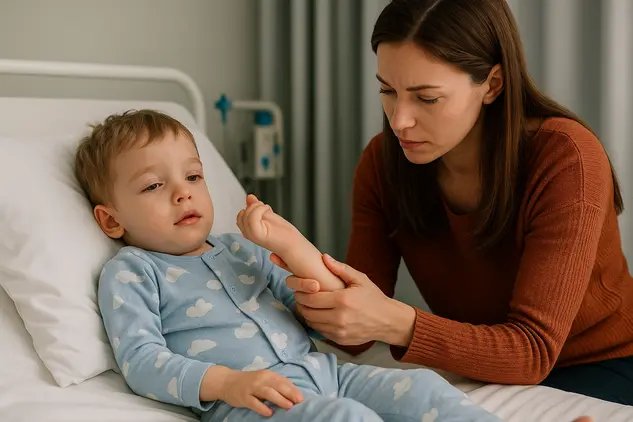
A Comprehensive Guide to Congenital Myopathies in Children
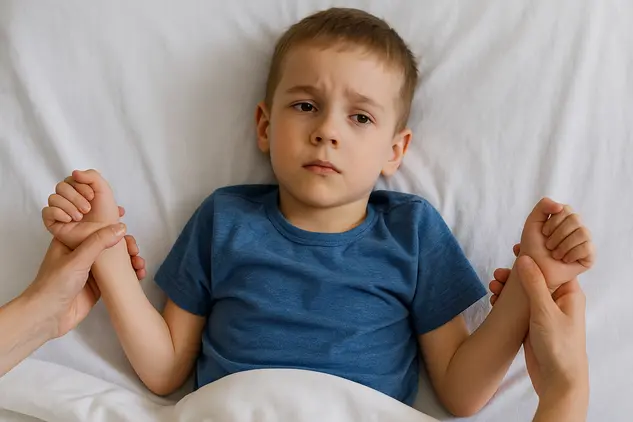
Congenital myopathies are rare, inherited muscle conditions that often become noticeable at birth or in early infancy. While there is no single cure, families can make a powerful difference with early diagnosis, informed planning, and a proactive, multidisciplinary care approach. This guide explains the core features, how these conditions are diagnosed, treatment strategies that make daily life safer and easier, and practical tips for families supporting a child with a congenital myopathy.
What Is Congenital Myopathy?
A group of inherited muscle conditions
Congenital myopathy refers to a family of genetic disorders that affect how muscle fibers are built and function. The word “congenital” indicates the condition is present at birth. Children typically show low muscle tone (hypotonia), generalized weakness, and delays in motor milestones (rolling, sitting, standing, walking). Many forms are relatively stable or only slowly progressive, contrasting with muscular dystrophies that usually involve faster degeneration and scarring of muscle tissue.
How congenital myopathies differ from other conditions
- Compared with muscular dystrophies: Creatine kinase (CK) is often normal or only mildly elevated; some congenital myopathies are non-progressive or slowly progressive.
- Compared with motor neuron diseases (e.g., SMA): The issue lies in the muscle fibers themselves, not the motor neurons.
- Compared with congenital myasthenic syndromes: Transmission at the neuromuscular junction is the problem in myasthenic syndromes, whereas congenital myopathies involve intrinsic muscle structure or function.
How Common Are Congenital Myopathies?
These conditions are rare, affecting roughly 1 in 25,000 to 1 in 50,000 individuals overall. Prevalence varies by region and subtype. As genetic testing expands, more children are being accurately diagnosed—sometimes beyond infancy—broadening our understanding of how common these disorders truly are.
Signs and Symptoms in Children
Early signs to watch for
- “Floppy” tone (hypotonia) and generalized weakness
- Feeding challenges, poor suck, coughing or choking with feeds
- Delayed rolling, sitting, standing, or walking
- Weak cry or soft voice in infancy
- Facial weakness, droopy eyelids (ptosis), or limited eye movements (in some subtypes)
- Joint laxity or contractures, bell-shaped chest, or scoliosis
- Breathing concerns: rapid breathing, sleep-disordered breathing, or frequent chest infections
Range of severity and progression
- Mild: Subtle weakness or endurance limits; many children walk and run.
- Moderate: Therapies and adaptive equipment are helpful; periodic orthopedic or respiratory support may be needed.
- Severe: Some newborns require respiratory and feeding support from birth.
While many forms are relatively stable, needs can evolve over time—adolescence is a common period for new orthopedic or respiratory considerations.
Causes and Genetics
The genetic basis
Congenital myopathies result from pathogenic variants in genes essential for muscle fiber structure, contraction, and repair. Affected protein systems include:
- Muscle contraction: actin, troponins, tropomyosins
- Calcium handling: RYR1 and related pathways
- Fiber structure/organization: nebulin, myotubularin
- Membrane remodeling/repair: DNM2, BIN1
Types of inheritance
- Autosomal dominant: One altered copy is sufficient; may be inherited or arise de novo.
- Autosomal recessive: Two altered copies are required; parents are often unaffected carriers.
- X-linked: Males typically have more severe symptoms; females may present milder features.
Notable genes and associated subtypes
- RYR1: Central core disease and multiminicore disease; important malignant hyperthermia risk with certain anesthetics.
- NEB and ACTA1: Nemaline myopathy (rod bodies on biopsy).
- MTM1: X-linked myotubular myopathy; often severe in males with early respiratory needs.
- DNM2 and BIN1: Centronuclear myopathies with centrally placed nuclei on biopsy.
- TPM2, TPM3, TNNT1, KBTBD13, KLHL40/41, CFL2, TTN and others: Additional subtypes with variable features.
Types of Congenital Myopathy
Nemaline myopathy
- Hallmark: Rod-like (nemaline) bodies on muscle biopsy.
- Features: Hypotonia, facial and proximal weakness, feeding and respiratory involvement with widely variable severity.
- Common genes: NEB, ACTA1 (among others).
Central core and multiminicore disease
- Hallmark: “Cores” or “minicores” with reduced oxidative enzyme activity on biopsy.
- Features: Hypotonia, delayed milestones, hip instability or scoliosis, variable respiratory weakness.
- Gene: Often RYR1; associated with malignant hyperthermia susceptibility.
Centronuclear (myotubular) myopathy
- Hallmark: Centrally located muscle fiber nuclei.
- Features: Ranges from severe neonatal weakness with ventilatory support to milder presentations with ophthalmoplegia.
- Genes: MTM1 (X-linked), DNM2, BIN1, others.
Congenital fiber-type disproportion
- Hallmark: Type 1 fibers consistently smaller than type 2 fibers.
- Features: Hypotonia, facial involvement, mild to moderate weakness; potential respiratory compromise.
- Genes: Multiple, including TPM3.
Other and overlapping subtypes include SELENON-related myopathy (formerly SEPN1), often marked by early axial weakness, scoliosis, and disproportionate respiratory involvement. The genetic landscape continues to expand as testing improves.
How Congenital Myopathy Is Diagnosed
Clinical evaluation
- Pregnancy/birth history (decreased fetal movement, polyhydramnios)
- Family history of neuromuscular disease or anesthesia reactions
- Detailed neurologic and musculoskeletal exam
Laboratory tests and imaging
- CK: Often normal or mildly elevated.
- EMG: Typically myopathic but non-specific for subtype.
- Muscle MRI: Pattern recognition can guide gene targets.
- Cardiac screening: Often normal, tailored to gene.
- Pulmonary tests/sleep studies: Assess respiratory strength and nocturnal breathing.
Genetic testing
- Gene panels: Target known congenital myopathy genes.
- Exome/genome sequencing: Used if panels are inconclusive or to clarify novel variants.
- Family testing: Clarifies inheritance and recurrence risk.
Muscle biopsy and differential diagnosis
A biopsy may show rods, cores, central nuclei, or fiber-type disproportion—key clues to classification. Clinicians also consider SMA, congenital muscular dystrophies, congenital myasthenic syndromes, metabolic or mitochondrial myopathies, and occasionally cerebral palsy in the differential.
Treatment and Management
There is no single cure yet, but comprehensive, early, and continuous care can significantly improve function, comfort, and quality of life.
Respiratory care
- Regular monitoring with pulmonary function tests and sleep studies
- Noninvasive ventilation (CPAP/BiPAP) for sleep-disordered breathing or chronic hypoventilation
- Airway clearance with cough-assist, suction, chest physiotherapy
- Stay current with immunizations (influenza, pneumococcal)
Feeding and nutrition
- Feeding evaluations for aspiration risk and fatigue
- Positioning, pacing, texture modification, and therapy-based strategies
- NG or gastrostomy tube when needed to ensure growth and safety
- Dietitian guidance for caloric needs, micronutrients, and bone health
Physical and occupational therapy
- Low-impact strengthening and endurance work (e.g., swimming, cycling)
- Stretching and positioning to prevent contractures
- Posture, balance, and energy-conservation strategies
- Assistive devices: orthoses, walkers, wheelchairs, standing frames, and adaptive tools
Speech, swallowing, and orthopedic support
- Speech therapy for articulation, voice strength, and breath-voice coordination
- Swallow therapy to reduce aspiration and promote safe feeding
- Scoliosis monitoring, bracing, or surgery to optimize posture and breathing
- Contracture management with therapy, splinting, and selective surgical release
Cardiac, eye, and facial considerations
Primary heart involvement is limited in many subtypes, but gene-specific screening may be advised. Ptosis can be managed with surgical lifts or supports, while ophthalmoplegia is generally supported with environmental adaptations.
Anesthesia safety and malignant hyperthermia
- RYR1-related myopathies carry increased malignant hyperthermia risk with certain anesthetics (volatile gases, succinylcholine).
- All surgical and dental teams must be informed in advance; use non-triggering agents and have dantrolene available.
- Pre-op pulmonary assessment and post-op respiratory monitoring are strongly recommended.
Medications and supplements
No broadly effective disease-modifying therapy is established for most subtypes yet. Care focuses on symptom management, optimizing nutrition, supporting bone health (vitamin D and calcium as appropriate), and treating associated conditions such as reflux. Always review new medications with the neuromuscular team, especially sedatives or drugs affecting respiratory drive.
Living With Congenital Myopathy
Daily life, school, and activity
- Energy management: Plan activities around high-energy times and build in rest breaks.
- Inclusive education: IEPs or 504 plans can secure extra time, elevator access, or adaptive PE.
- Safe movement: Low-impact activities build endurance; avoid overexertion. Pain or prolonged fatigue are cues to slow down.
- Accessibility: Ramps, seating supports, and accessible bathrooms foster independence.
Nutrition, growth, bone health, and emotional wellbeing
- Regular growth tracking; involve a dietitian early when concerns arise.
- Weight-bearing (as tolerated), vitamin D and calcium support bone strength.
- Mental health resources, sibling inclusion, and peer support reduce stress and isolation.
Complications and Risk Factors
- Respiratory: Hypoventilation (especially at night) and infections—proactive care lowers hospitalization risk.
- Orthopedic: Contractures, progressive scoliosis, and hip instability can limit function—early management helps.
- Feeding/GI: Reflux, poor weight gain, and aspiration may require specialized feeding strategies or tube support.
- Anesthesia-related: Malignant hyperthermia risk in specific genotypes requires specialized plans.
Prognosis: What to Expect Over Time
Outcomes vary widely. Many children with milder forms achieve independent mobility and participate in mainstream education with accommodations. Moderate forms may require mobility aids or nighttime breathing support. Severe neonatal presentations can be life-limiting, yet careful respiratory and nutritional support often leads to measurable developmental gains.
Prognosis depends on the specific gene/variant, degree of respiratory involvement, orthopedic status, nutrition, and timely, consistent multidisciplinary care.
Prevention and Genetic Counseling
- Family planning: Genetic counseling clarifies inheritance and recurrence risk.
- Options: Carrier testing for relatives, prenatal diagnosis, or preimplantation genetic testing when a familial variant is known.
- Newborn planning: For known diagnoses, delivery at centers with NICU and anesthesia teams experienced in neuromuscular disorders can improve safety.
Research and Emerging Therapies
Research is active across several fronts: gene-targeted and RNA-based therapies, strategies to stabilize or repair muscle proteins, and approaches that safely enhance muscle growth and strength (e.g., myostatin modulation). Meanwhile, advances in noninvasive ventilation, cough-assist technologies, and powered mobility are boosting independence and quality of life.
Clinical trial participation depends on age, genetic subtype, and disease severity. Families should discuss opportunities with their neuromuscular specialist and review reputable trial registries. Enrollment is voluntary and requires careful consideration of risks and potential benefits.
When to Seek Medical Advice
Urgent signs
- Increased work of breathing, pauses during sleep, or rapid, shallow breathing
- Blue lips/fingertips, persistently low oxygen readings, or unusual lethargy
- Frequent coughing or choking during feeds; suspected aspiration
- Recurrent chest infections or difficulty clearing secretions
- Rapidly worsening scoliosis, uncontrolled pain, or marked decrease in mobility
Routine follow-up
- Regular visits with neuromuscular, pulmonary, nutrition, and therapy teams
- Updated care plans before any surgery or anesthesia
- Periodic genetic counseling, especially as the family grows or research evolves
Practical Tips for Parents and Caregivers
Build your team
Coordinate among primary care, neurology, pulmonology, orthopedics, speech/swallow, therapy services, school specialists, social work, and genetics to create a seamless, child-centered plan.
Document and share
Keep accessible copies of genetic reports, anesthesia precautions, therapy plans, equipment lists, and emergency instructions. Share them with every new provider and school team.
Advocate in school and community
Early intervention and individualized education plans open doors to therapies and accommodations that support participation and learning. Don’t hesitate to request assessments and reasonable adjustments.
Plan for transitions
As your child grows, plan smooth transitions to adolescent and adult care teams, vocational supports, higher education accommodations, or independent living resources. Start early and review the plan annually.
Questions to Ask Your Child’s Care Team
- Which genetic subtype is involved, and how does it guide monitoring and treatment?
- Which specialists should we see, and how often?
- How should we track and support breathing, especially at night?
- What feeding strategies or nutrition plan do you recommend?
- What safe exercise limits and goals should we use?
- How do we prevent and manage contractures and scoliosis?
- What should surgeons and anesthesiologists know before procedures?
- What school accommodations will help my child succeed?
- Are there clinical trials or registries we should consider?
- How can we access genetic counseling and carrier testing?
Frequently Asked Questions (FAQs)
What exactly is a congenital myopathy?
It’s a group of inherited muscle disorders usually present at birth or early infancy. They affect the structure or function of muscle fibers, leading to low muscle tone and weakness.
How is it different from a muscular dystrophy?
CK levels are often normal or mildly elevated, and progression can be static or slow. Muscular dystrophies typically show higher CK and faster degeneration of muscle fibers.
What are the most common early signs?
A “floppy” baby (hypotonia), generalized weakness, feeding difficulties, and delayed motor milestones. Some subtypes involve droopy eyelids, facial weakness, or breathing issues.
How is the diagnosis confirmed?
Through clinical evaluation, genetic testing (panel, exome, or genome), and sometimes muscle biopsy. EMG and muscle MRI can provide supportive clues.
Can congenital myopathy be cured?
There is no universal cure yet. However, respiratory support, nutrition, therapies, and orthopedic care can substantially improve comfort and function.
Will my child walk or talk?
Many children with milder forms walk and talk, sometimes later than peers. Others may need mobility devices, communication supports, and intensive therapies. Outcomes vary by subtype and overall health.
Is breathing always affected?
Not always. Some subtypes preferentially involve respiratory muscles. Sleep-disordered breathing and recurrent infections are common reasons for close monitoring.
Should we worry about anesthesia?
Yes—inform anesthesiologists every time. Some subtypes, especially RYR1-related, carry malignant hyperthermia risk. Non-triggering agents and dantrolene availability are essential.
Are heart problems common?
Primary cardiac involvement is less common than in some other neuromuscular conditions. Your team will tailor any cardiac screening to the genetic diagnosis.
Which exercises are best?
Low-impact, supervised activities—like swimming or cycling—build endurance without overstraining muscles. A physical therapist can tailor a safe, sustainable plan.
How can we support feeding and growth?
Feeding therapy, positioning, texture changes, and, if needed, tube feeding can ensure safe nutrition. A dietitian can guide caloric targets and supplements.
What is the life expectancy?
It varies by subtype and severity. Many individuals with mild forms have near-normal life expectancy. Respiratory and nutritional care strongly influence outcomes across the spectrum.
Will this affect future pregnancies?
It can. Recurrence risk depends on inheritance. Genetic counseling can clarify risks and discuss carrier testing, prenatal diagnosis, or preimplantation genetic testing.
Are new treatments on the horizon?
Yes. Gene-targeted and RNA-based therapies, protein stabilization approaches, and muscle growth modulation are under active investigation. Ask your specialist about current trials.
Educational notice: This content is informational and not a substitute for personalized medical advice. Always consult your child’s healthcare providers for guidance tailored to your family’s needs.