Widow’s Peak, Demystified: Genetics, Myths, Styling Tips, and When to See a Pro
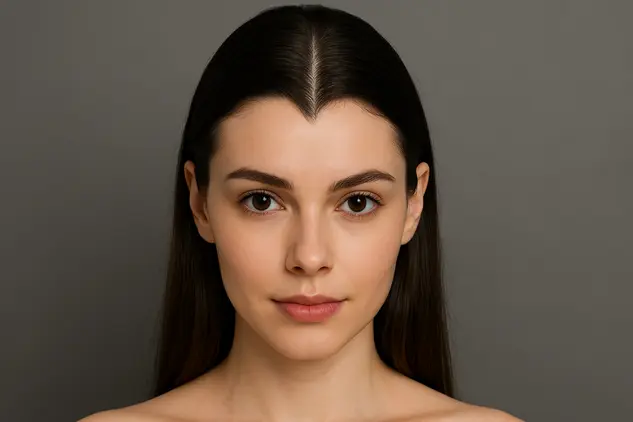
If you’ve noticed a V-shaped point at the center of your hairline, you’re in good company. That feature—a widow’s peak—is a totally normal hairline variation found across genders and ethnicities. Yet it still sparks questions: Is it genetic? Does it mean I’ll lose hair? Should I try to hide it—or highlight it? This in-depth guide breaks down the science, clears up myths, and shares pro styling advice so you can feel confident with any look you choose.
What Is a Widow’s Peak?
A widow’s peak is a natural hairline pattern where the center dips into a subtle or pronounced V. It can be barely noticeable or a strong point that defines your overall look. Some people have one from childhood; others see it become more defined as the hairline matures during the teen years.
Fast facts
– Normal variation: It’s simply one of many common hairline shapes (like straight, rounded, or M-shaped).
– Gender-neutral: Found in all genders and across many populations.
– Not a diagnosis: A widow’s peak alone doesn’t signal a health issue or guaranteed hair loss.
The Genetics: Why Some People Have a Widow’s Peak
There’s a persistent rumor that one “widow’s peak gene” controls the trait and that it’s a dominant feature. That’s an oversimplification. Most visible features—hairlines included—are polygenic, meaning many genes (and their interactions) influence the final look.
– Polygenic and complex: Multiple genes, each with small effects, shape the hairline during fetal development and growth.
– Family patterns matter—but aren’t destiny: If close relatives have widow’s peaks, your odds rise, but there’s no guarantee.
– Variable expressivity: Even within one family, peaks can range from subtle to dramatic.
– Not caused by baldness: The presence of a widow’s peak isn’t a preview of future hair loss. It’s a hairline shape, not a symptom.
Widow’s Peak Myths—Debunked
– Myth: A widow’s peak means you’ll go bald. Reality: It’s a hairline shape, not a risk factor. Hair loss risk is influenced by genetics, hormones, age, and health—not the existence of a peak.
– Myth: There’s a single “widow’s peak gene.” Reality: Hairlines are polygenic with many genes at play.
– Myth: Only men have widow’s peaks. Reality: People of all genders have them.
– Myth: It’s rare. Reality: Prevalence varies by population; it’s neither exceptionally rare nor universal.
– Myth: It signals a personality trait. Reality: That’s fiction. No credible science links hairline shape to temperament or behavior.
Widow’s Peak vs. Receding Hairline: How to Tell the Difference
A widow’s peak is a stable V-shaped hairline pattern. A receding hairline is progressive thinning or loss—often first seen at the temples—that changes the hairline over time.
Signs it’s a natural widow’s peak
– You’ve had a V-shaped center since childhood or your teen years.
– The hairline shape is consistent year-to-year.
– No widening temples or increased scalp visibility over time.
Signs it could be recession or thinning
– New or worsening temple recession, forming an M- or U-shaped pattern.
– A higher hairline than past photos suggest, especially over 6–12 months.
– More shedding than usual, miniaturized hairs, or patchy loss.
– Scalp symptoms (itching, flaking, burning) with thinning.
Self-check tip: Compare current photos to ones from 1–3 years ago under similar lighting. If the V shape looks the same and your temples haven’t crept back, it’s likely a natural peak. If the temples have receded, talk with a dermatologist or trichologist.
How to Style a Widow’s Peak: Tips for Every Length and Texture
The best haircut is the one that makes you feel like you. Whether you want to spotlight your peak or soften it, these strategies work across hair types.
If you want to embrace and highlight it
– Center parts: A clean, centered part spotlights a strong V and looks striking on medium to long hair.
– Slicked-back looks: Use a light gel or mousse for sleek ponytails, buns, or wet looks that reveal the peak.
– Quiff or pompadour: Short sides with height through the center exaggerate the V in a bold, intentional way.
– Pixie with a point: A cropped cut that keeps length at the front can frame the peak beautifully.
If you prefer to soften or balance it
– Off-center part: Shift your part 0.5–1 inch to the left or right to visually round the hairline.
– Curtain bangs: Soft, face-framing layers break up the V and add symmetry.
– Side-swept fringe: A diagonal fringe draws the eye across, rather than down to the point.
– Layered bobs and lobs: Chin- to collarbone-length cuts with movement at the temples balance stronger peaks.
– Temple volume: Use a root-lifting spray or dry shampoo at the temples to counterbalance a deep V.
Product and tool suggestions
– Matte clays and pastes: Create texture without shine, which can make the hairline look less stark.
– Lightweight gels: Choose alcohol-free formulas to avoid dryness at the hairline.
– Round brush + low heat: Build gentle lift at the temples; finish with cool air to set volume.
– Root touch-up powder or shadow: A small amount along the temples can make hair appear denser for photos or events.
Color strategies
– Strategic highlights: Brightening near the temples can visually fill in, while keeping the front slightly deeper draws focus away from a pronounced V.
– Lived-in color: Subtle, blended tones add dimension and distract from hard lines.
Grooming Do’s and Don’ts Around the Hairline
– Do see a pro for shaping: If you want to slightly refine baby hairs or edges, ask a stylist or barber. Over-tweezing can create uneven patches.
– Don’t over-remove: Aggressive plucking, waxing, or threading can cause permanent thinning or irregular growth.
– Do be gentle with edges: Use soft-bristle brushes and avoid tight styles that tug at the hairline.
– Don’t rely on high heat: Frequent high-heat styling can damage fragile hairline hairs.
Can You Change a Widow’s Peak?
While you can’t change your genetics, you can alter the hairline’s appearance—temporarily or permanently.
Temporary options
– Hairstyling: Parts, bangs, and volume placement are your quickest tools.
– Cosmetic coverage: Hair fibers, pencils, and powders camouflage sparse spots for a day.
– Edge control: Tame baby hairs for a cleaner or softer outline.
Longer-term or permanent options (talk to a professional)
– Laser hair removal or electrolysis: Can permanently reduce or remove hair at the point if you want a straighter line. Best for well-defined targets and matched to your hair/skin type by a licensed pro.
– Hairline advancement/forehead reduction surgery: Moves the hair-bearing scalp forward; significant downtime and scarring risks. Best for carefully selected candidates.
– Hair transplant: Uses your own follicles to lower or reshape a hairline; requires realistic expectations and an experienced surgeon.
– Scalp micropigmentation (SMP): Cosmetic tattooing that simulates density; non-surgical but requires maintenance.
Important: Any procedure carries risks (scarring, pigment mismatch, over- or under-correction). Get multiple consultations and review before-and-after photos from board-certified specialists.
What If Your Widow’s Peak Is Changing?
If the V is becoming more pronounced because the temples are thinning—especially with increased shedding or scalp symptoms—consider a professional evaluation. Early intervention offers the best outcomes for treatable hair loss.
– Dermatology visit: A board-certified dermatologist can assess for androgenetic alopecia, telogen effluvium, traction alopecia, or other causes.
– Evidence-based treatments: Options may include topical minoxidil, oral finasteride (for eligible adult men), low-level laser therapy, anti-androgens like spironolactone (for eligible women), or addressing underlying triggers (iron deficiency, thyroid issues, stress).
– Healthy hair habits: Gentle handling, balanced nutrition (protein, iron, zinc, vitamin D), and managing tight hairstyles help protect your hairline.
Practical Everyday Tips
– Photograph your hairline every 6–12 months in the same lighting to track changes.
– Keep a lightweight volumizing product on hand; a quick spritz at the temples can instantly balance a strong peak.
– If you wear center parts, rotate occasionally to reduce repeated tension on the same follicles.
– For workouts, switch between loose braids, low ponytails, and claw clips to avoid chronic pulling.
– Choose satin or silk pillowcases to reduce friction along fragile edges.
– Schedule regular trims; precise ends and shape make the hairline look intentional rather than accidental.
– On video calls or photos, adjust lighting from the front (not above) to soften hairline contrast.
FAQs About Widow’s Peaks
Q: Is a widow’s peak rare?
A: No. It’s common enough that you’ll see it across many families and communities. Exact rates vary by ancestry and study.
Q: Can a widow’s peak predict baldness?
A: No. It’s a shape, not a forecast. Family history, hormones, age, and health are the bigger predictors of hair loss.
Q: Do certain hairstyles cause a widow’s peak?
A: No hairstyle creates a genetic hairline. However, tight styles over years can recede the temples, making any central point look more pronounced.
Q: Will I grow out of a widow’s peak?
A: Your hairline matures during adolescence and can shift slightly through your 20s. The general shape you have in early adulthood often remains stable.
Q: What are the best haircuts for a widow’s peak?
A: To highlight: center part, slick backs, quiffs/pompadours, sharp pixies. To soften: off-center parts, curtain or side-swept bangs, layered bobs/lobs, temple volume.
Q: Can minoxidil change a widow’s peak?
A: Minoxidil supports hair growth in thinning areas. It won’t remove a natural widow’s peak, but it may help if temple thinning is making the V look deeper. Ask a dermatologist whether it’s appropriate for you.
The Bottom Line
A widow’s peak is a normal, often striking hairline variation—not a flaw and not a prediction of hair loss. Understanding the genetics (polygenic, variable, and common) helps separate fact from fiction. From strategic parts and fringe to color placement and texture, you have plenty of tools to either spotlight your peak or soften it.
If you notice meaningful changes—widening temples, increased shedding, or scalp symptoms—check in with a dermatologist early. For anyone considering more permanent changes, seek board-certified professionals, review real results, and weigh risks carefully.
Your next best steps
– Decide whether you want to highlight or soften your peak—and pick one new styling technique to try this week.
– Take a baseline photo of your hairline today for your wellness records.
– If you’re worried about change, book a consult with a dermatologist or trichologist.
– Most importantly: Wear your widow’s peak with confidence. It’s a distinctive feature shared by countless people—and it can be part of a signature style that’s uniquely yours.