Ibuprofen and Alcohol: Is It Ever Safe to Mix? Risks, Timing, and Smarter Relief
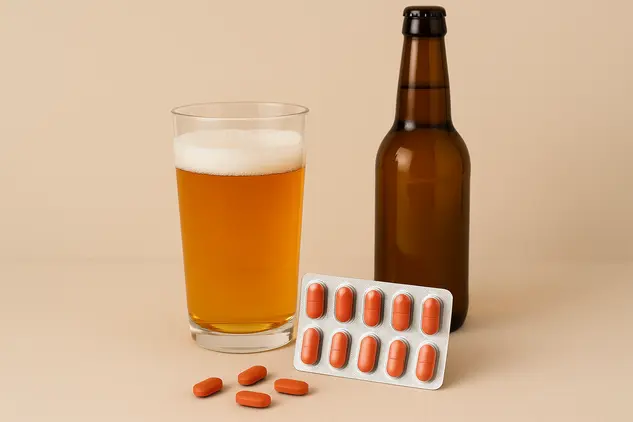
If you’ve ever reached for ibuprofen after a night out—or wondered whether you can have a drink while taking it—you’re not alone. Ibuprofen is widely used and generally safe when taken as directed, but combining it with alcohol raises real risks that many people underestimate. This guide explains what happens when you mix the two, who faces the highest danger, practical steps to reduce harm, and better options for pain relief.
Key takeaways
– The safest choice is not to mix ibuprofen and alcohol. Even small amounts together can irritate your stomach and increase bleeding risk.
– The biggest danger is gastrointestinal bleeding and ulcers; kidney strain and elevated blood pressure are additional concerns.
– Risk spikes if you drink heavily, are over 60, have a history of ulcers, or take certain other medications (like blood thinners, steroids, or SSRIs/SNRIs).
– If you already mixed them, watch for red-flag symptoms (black stools, vomiting blood, severe abdominal pain, dizziness) and seek medical help immediately.
– There’s no universally “safe” timing window, but spacing them out, using the lowest effective dose, eating beforehand, and limiting alcohol can lower risk.
What ibuprofen does—and why that matters with alcohol
Ibuprofen is a nonsteroidal anti-inflammatory drug (NSAID). It eases pain, inflammation, and fever by blocking COX enzymes that help make prostaglandins—chemicals that drive pain and also protect your stomach lining and support kidney blood flow.
Alcohol, even in moderate amounts, can irritate the stomach lining and affect blood clotting. Together, alcohol and ibuprofen remove key stomach protections and tilt the body toward easier bleeding. That’s the heart of the danger.
Top risks when you mix ibuprofen and alcohol
1) Gastrointestinal (GI) irritation, ulcers, and bleeding
– Ibuprofen thins your stomach’s protective mucus layer; alcohol irritates it. The combination is a setup for gastritis (stomach inflammation), ulcers, and bleeding.
– Warning signs: black, tarry stools; vomiting blood or coffee-ground material; severe stomach pain; dizziness or fainting. These require urgent medical care.
2) Increased bleeding risk overall
– Alcohol can impair platelet function (the cells that help blood clot). Ibuprofen also affects platelets. Together, even minor injuries may bleed more.
3) Kidney stress and dehydration
– Prostaglandins help your kidneys maintain blood flow—especially when you’re dehydrated. Ibuprofen blocks these chemicals, and alcohol dehydrates you. The combination can strain kidneys, particularly in older adults, people with kidney disease, or anyone who’s been sweating or vomiting.
4) Blood pressure and heart effects
– NSAIDs like ibuprofen can raise blood pressure or blunt the effect of some blood pressure medicines. Alcohol can also elevate blood pressure. Regularly mixing them may increase cardiovascular strain.
5) Masking pain and decision-making
– Alcohol can dull your perception of pain and slow reaction time. You might overexert yourself or delay care for an injury, while ibuprofen temporarily hides symptoms.
Who is at higher risk?
– Adults over 60
– Anyone with a history of ulcers, GI bleeding, or gastritis
– People with kidney disease, heart disease, or high blood pressure
– Those who drink heavily or binge drink
– People who are dehydrated (post-workout, hot weather, vomiting/diarrhea)
– Anyone taking these medications: blood thinners (warfarin, apixaban, rivaroxaban), antiplatelets (aspirin, clopidogrel), SSRIs/SNRIs (like sertraline, fluoxetine, venlafaxine), corticosteroids (prednisone), other NSAIDs (naproxen, diclofenac), certain herbal supplements (ginkgo, garlic, high-dose fish oil)
How much alcohol are we talking about?
– One standard drink in the U.S. is about 14 grams of pure alcohol: 12 oz of 5% beer, 5 oz of 12% wine, or 1.5 oz of 40% spirits.
– Binge drinking is typically 4+ drinks (women) or 5+ drinks (men) within 2 hours.
– As alcohol intake rises, so does the risk—with or without ibuprofen—but the combination magnifies the danger.
Can you drink after taking ibuprofen—or take ibuprofen after drinking?
There is no completely safe window to combine ibuprofen and alcohol. If you choose to drink, spacing them apart lowers risk but doesn’t eliminate it.
General guidance (not a substitute for medical advice):
– Occasional, small ibuprofen dose (200–400 mg): Avoid alcohol. If you do drink, consider waiting at least 8 hours after taking ibuprofen before drinking—and longer if you have any stomach sensitivity.
– After drinking alcohol: If you’ve had more than 1–2 standard drinks, avoid ibuprofen until the next day. Heavy or binge drinking? Skip ibuprofen for at least 24 hours and consider non-drug options.
– Regular or high-dose ibuprofen use: Best to avoid alcohol entirely. Talk to your clinician about your personal risk and safer long-term pain strategies.
Practical safety tips
– Don’t mix if you can avoid it. The safest plan is zero overlap.
– Use the lowest effective dose for the shortest time. For most adults, OTC ibuprofen is 200–400 mg every 6–8 hours as needed; do not exceed 1,200 mg/day unless a clinician directs otherwise.
– Take with food and water. A light meal and a full glass of water can help protect your stomach, especially if you’ve had any alcohol.
– Hydrate before bed after drinking. If pain is mild, try water, electrolytes, and sleep instead of popping a pill.
– Space it out. If you had one drink hours ago and pain is significant, waiting longer before taking ibuprofen lowers risk. If you already took ibuprofen, delay any alcohol until the next day.
– Know your red flags. Black stools, vomiting blood, severe stomach pain, dizziness, fainting, or very low urine output need immediate medical care.
– Check your meds. If you take blood thinners, antiplatelets, SSRIs/SNRIs, steroids, or other NSAIDs, mixing alcohol and ibuprofen is especially risky—talk to your prescriber first.
– Avoid doubling up on NSAIDs. Don’t combine ibuprofen with naproxen, aspirin (for pain), or diclofenac.
– Be cautious after intense exercise or illness. Dehydration increases kidney risk with NSAIDs and alcohol.
Smarter alternatives for pain relief if you’ve been drinking
– Non-drug strategies: Try rest, ice/heat, gentle stretching, massage, hydration, electrolytes, and a small snack. For headaches, a dark, quiet room and fluids may help.
– Topical pain relievers: Gels or creams with diclofenac or menthol provide local relief with lower systemic risk than pills. Avoid applying over broken skin.
– Acetaminophen (paracetamol): Can help pain and fever, but be very cautious with alcohol. Heavy or chronic drinking raises the risk of liver injury with acetaminophen. Avoid it during or soon after heavy drinking, and never exceed label dosing. When in doubt, choose non-drug options and speak with a clinician.
What to do if you already mixed ibuprofen and alcohol
– Stop both for now. Don’t take more ibuprofen or keep drinking.
– Eat a bland snack and hydrate. Water or oral rehydration solutions can help.
– Monitor for symptoms. Seek urgent care if you notice black stools, bloody or coffee-ground vomit, severe abdominal pain, lightheadedness, fainting, chest pain, shortness of breath, or very low urine output.
– Call your clinician or local nurse line if you’re unsure. For severe symptoms, call emergency services.
FAQs
Q: Is one beer with ibuprofen really that risky?
A: The absolute risk is lower with one drink than with several, but it’s not zero. Even a single drink can aggravate stomach irritation when combined with an NSAID. If you decide to drink, space it out from your dose, take ibuprofen with food and water, and keep the dose low and infrequent.
Q: Can I take ibuprofen for a hangover?
A: It may help headache or muscle aches, but it’s rough on an already irritated stomach—especially after heavy drinking. If you choose to use it, keep the dose low, take it with food and water, and avoid if you had significant alcohol, a history of ulcers, or any signs of GI bleeding. Often, sleep, hydration, and a light meal are safer first steps.
Q: Is naproxen safer than ibuprofen with alcohol?
A: Not really. Naproxen is also an NSAID and carries similar (sometimes higher) GI risks. Avoid mixing either with alcohol. Do not take them together.
Q: What about taking low-dose aspirin for heart protection?
A: Low-dose aspirin (81 mg) helps prevent clots, but alcohol still increases bleeding risk. If you also take occasional ibuprofen for pain, timing matters: ibuprofen can interfere with aspirin’s heart-protective effect if taken too close together. Ask your clinician for a schedule that preserves aspirin’s benefit and minimizes bleeding risk—and be conservative with alcohol.
Q: What dose of ibuprofen is safe?
A: For most adults, 200–400 mg every 6–8 hours as needed, not exceeding 1,200 mg/day without medical guidance. People with kidney disease, ulcers, heart disease, uncontrolled blood pressure, or those on interacting medicines may need to avoid NSAIDs entirely—talk to your clinician.
When to seek medical help
Call your clinician or seek urgent care immediately if you:
– Have black, tarry stools; vomit blood or coffee-ground material
– Develop severe, persistent stomach pain
– Feel faint, very weak, or dizzy
– Notice very low urine output or swelling in your legs
– Have chest pain, shortness of breath, or new severe headache
Stronger conclusion: a simple, safer plan
Mixing ibuprofen and alcohol is common—but that doesn’t make it safe. The most serious danger is stomach bleeding, which can appear suddenly and become life-threatening. If you drink, plan ahead: prioritize non-drug pain relief, hydrate before bed, and avoid taking any NSAID until the next day—longer if you drank heavily or have a history of stomach issues. If you need regular pain control, talk to your healthcare provider about safer long-term options and whether alcohol fits into your plan at all.
Bottom line: Use the lowest effective dose of ibuprofen, never combine it with heavy drinking, and learn the warning signs that demand urgent care. When in doubt, skip the mix and protect your gut, kidneys, and heart.
Disclaimer: This article is for general information and is not a substitute for professional medical advice. Always follow the directions on your medication label and consult your healthcare provider about your specific situation.